Featured Post

Ask The Experts: 10 Tips to Overcome Wedding Planning Stress Every Stressed Bride Needs
“Wedding planning is the happiest time in your life.” We bet some brides would disagree...


“Wedding planning is the happiest time in your life.” We bet some brides would disagree...
7
Oct
2024

By Boho
Wedding planning often goes peachy until other people get involved — namely, the guests! After the fun of picking colours, tasting cakes, and trying on attire, some couples are surprised to find the drama that unfolds when it comes to building a guest list, sending invitations, and coordinating RSVPs.
What starts as a simple task of counting heads can turn into a stressful juggling act of chasing down late responders and deciphering unclear responses. Who gets a plus-one? How do you explain politely that your wedding is an adults-only event? What happens when guests push back on your boundaries? These questions can turn an otherwise enjoyable experience into a stressful process rife with confrontations.

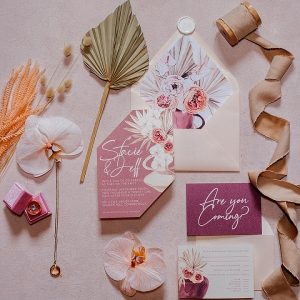
RSVP challenges can arise at any stage of the process, but “the best way to combat stress is to be educated and well-prepared,” states Khloe Jackson of W Events. To start, invitations should clearly state the names of those invited and a firm RSVP deadline.
“We set our couples’ RSVP due back dates earlier than is traditionally custom — 5 weeks prior to event day,” Jackson shares. “That intentional cushion prepares our couples with ample time to reach out to guests who got busy with life and may not have heard back.”
It’s also wise to provide a point of contact for guests to reach out if they have questions or concerns, whether it’s you and your partner, a set of parents, or your wedding planner.
Still, sending wedding invitations can lead to surprise requests and uncomfortable conversations, no matter how well you lay out the details. Here are five common RSVP issues and the strategies you can use to manage them with confidence and grace.

You can state “adults only” clearly on your invitation, but you may still hear from guests hoping their children are the exception. Whether it’s due to childcare issues or personal preference, Kelley Nudo of Momental Designs says that “couples should be ready to respond kindly to guests who inquire about bringing children who were not invited.”
In most cases, a simple “no” suffices. If you’re uncomfortable denying the request, Cathy O’Connell of COJ Events suggests asking your wedding planner to handle it. “You can always say the venue has limited space, but you don’t need an excuse,” she assures. “Just say no.” After all, it is your wedding day — you decide who joins in celebrating!
If you want to go the extra mile, Nudo notes that “couples can hire a babysitter for guests with children or assist them in finding individual child care.” While couples aren’t expected to secure childcare for their wedding guests, it’s a thoughtful gesture that may help more of their loved ones attend their big day.

Some guests may not understand that bringing an extra person incurs additional costs for the event host, which can lead to awkward conversations about plus-ones.
If the topic arises, “this is something that you can be firm with because extra guests at your wedding can have an impact on your final wedding costs,” assures Craig Peterman of Craig Peterman Photography & Videography. “Gently remind your guests that space and budget will limit the total amount of additional guests at your wedding.”
Again, don’t hesitate to ask a close friend, family member, or wedding planner to step in for uncomfortable conversations with guests.

Imagine receiving an RSVP card where someone scratched out your set guest count to accommodate additional people you haven’t factored into your headcount. You’ll probably feel taken aback at first but try not to let your emotions take over.
“Some friends or family members may not know etiquette or may not have options other than bringing family or guests along,” wedding planner Penny Haas explains.
Once you’ve had a moment to think, Peterman recommends following up directly with the guest. “A simple phone call or email works best, where you can explain that the additional guests cannot be accommodated,” he says. “Let them know of the space and budget limitations for your wedding to provide reasoning for this decision.”
While it’s important to empathize with your guests and respect their opinions, it’s just as crucial to set (and maintain) boundaries that will allow you to host the wedding of your dreams. “No” is always an acceptable answer when it comes to unsolicited requests.

No-shows are undue expenses on your budget, but they can also lead to hurt feelings and resentment. Emergencies can arise at any time, but it can still sting to find out a loved one didn’t attend your wedding after RSVPing — especially if they didn’t give you a heads-up in advance.
“While it’s disappointing when guests don’t show up without a reason, it’s best to approach the situation with grace,” Peterman promises. “Life happens to the best of us, but be sure to follow up with that guest to make sure everything is okay.”
Haas agrees, adding that “asking about the absence may help you discover why they missed the wedding and gives an opportunity to tactfully discuss the importance of the guest missing and what that meant to you.”
Handle this situation with care, as approaching it the wrong way could spell trouble for the relationship. Try to give no-shows the benefit of the doubt while accepting that you and your partner deserve an explanation after planning for their attendance.

Things change, and sometimes that means a guest realizes they can attend your wedding at the last minute. Of course, your wedding plans may have changed based on RSVP responses, so you’ll need to consider whether you can accommodate a late “yes.”
“Sometimes, venues and catering can accommodate adjustments 3-4 weeks from the wedding,” Haas says. “I would rely on the vendors to see if you can take the last-minute addition. Typically, this is an easy adjustment, but you may have to consider printed materials or menu options on short notice.”
However, don’t feel obliged to allow them to attend if it alters your plans. “It’s okay to explain that due to final counts with the caterer or seating arrangements, you’re unable to make adjustments,” Peterman assures.
As with no-shows, try not to take this situation personally. While it might create some extra work to accommodate a last-minute RSVP (or it might hurt for someone to miss out), there are rarely ill intentions behind such changes.

RSVP challenges are a universal experience for couples planning their wedding — so if you’re dealing with guest list headaches, you’re not alone! Fortunately, they don’t need to be a source of frustration. By setting clear expectations, maintaining healthy boundaries, and leaning on your wedding team for support, you’ll be well-equipped to handle any RSVP hiccups that come your way. And remember: “No” is a full sentence!
Meghan Ely is the owner of wedding PR and wedding marketing firm OFD Consulting. Ely is a sought-after speaker and a self-professed royal wedding enthusiast.
Share this post



This site uses Akismet to reduce spam. Learn how your comment data is processed.




Comments