Featured Post

Ask The Experts: 10 Tips to Overcome Wedding Planning Stress Every Stressed Bride Needs
“Wedding planning is the happiest time in your life.” We bet some brides would disagree...


“Wedding planning is the happiest time in your life.” We bet some brides would disagree...
3
Aug
2026

By Boho
Planning a destination wedding across the Atlantic opens up settings that are less common in the UK, from restored industrial buildings and red rock landscapes to historic river valleys and vineyard estates. The United States contains varied climate zones and topography, from Arizona’s high-desert rock formations in the Southwest to old-growth redwood forests on the Pacific coast. Coordinating a full wedding weekend requires a location that balances outdoor gathering spaces with reliable transport links and local accommodation.
Selecting a destination abroad means evaluating how guests travel, how local weather patterns change with the seasons, and how historic properties accommodate private events. The five locations detailed below each stand out for their landscapes, local character, and wedding venues, with nearby natural features that shape the setting for a full wedding weekend.

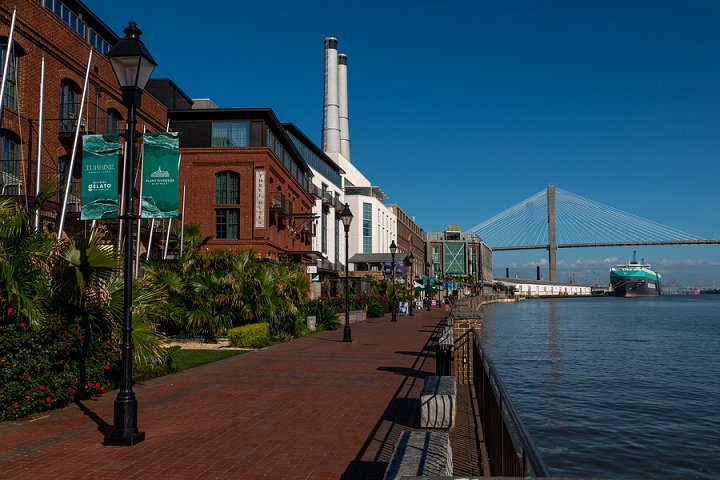
Savannah’s historic riverfront features the former Riverside Station, an industrial power plant completed in 1912 that generated electricity for the city for over eight decades. Reopened in 2020 as an entertainment and hotel district, it has become an unusual setting for wedding weekends, retaining its original red-brick exterior, twin 162-foot smokestacks, and steel structural supports. Interior spaces display a private collection of natural history artefacts, including a 135-foot chrome dinosaur skeleton suspended in the central lobby and large geode specimens from South America, giving couples and their guests distinctive surroundings that feel very different from a traditional country house or vineyard.
The brick-lined waterfront boardwalk along the Savannah River leads to riverboat cruises and historic cobblestone streets built from 18th-century ship ballast. For couples scouting meeting rooms in Savannah, GA for a welcome dinner, the riverside electric plant redevelopment offers over 100,000 square feet of dedicated event facilities across the Atlantic Building and the historic Generator Hall. The development sits a 20-minute drive from Savannah/Hilton Head International Airport, which connects directly to major East Coast transit hubs such as New York JFK and Atlanta Hartsfield-Jackson.
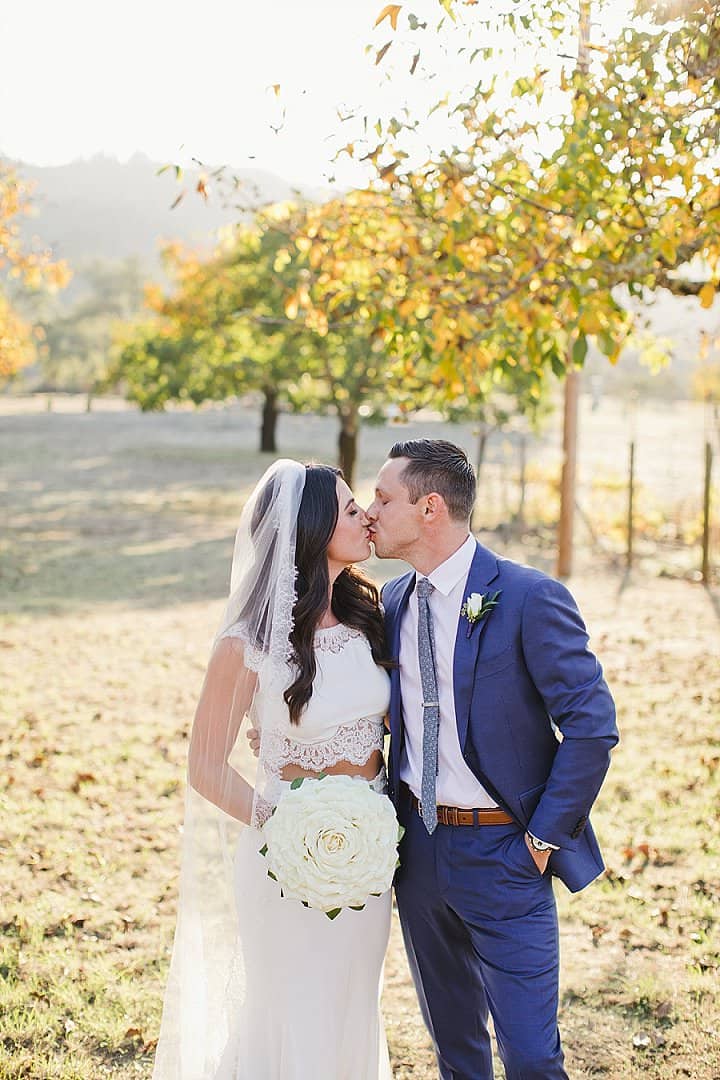
Napa County covers roughly 789 square miles in Northern California, bounded by the Mayacamas Mountains to the west and the Vaca Mountains to the east. The region contains 16 distinct American Viticultural Areas (AVAs), each defined by specific soil compositions ranging from volcanic ash on the mountain slopes to alluvial silt on the valley floor. Over 500 wineries operate within this 30-mile stretch, cultivating Cabernet Sauvignon, Chardonnay, and Sauvignon Blanc across 45,000 acres of planted vineyards, giving couples a choice of vineyard estates for ceremonies, receptions, and weekend celebrations.
Many private estates across the valley are licensed to host weddings, with conditional use permits that impose evening noise restrictions and outdoor event capacity limits. Properties along the Silverado Trail provide oak-shaded lawns and stone terraces set against vineyard rows. Wedding guests arriving via San Francisco International Airport can reach the southern edge of Napa via Highway 29 in approximately 90 minutes. Outdoor celebrations are well suited to the region’s Mediterranean climate, which keeps summer daytime temperatures near 28°C with negligible rainfall between May and October.
Positioned in northern Arizona at an elevation of 4,500 feet, Sedona sits at the southern terminus of Oak Creek Canyon and the base of the Mogollon Rim. The surrounding landscape features striking red sandstone formations belonging to the Schnebly Hill Formation, deposited over 270 million years ago. These iron-oxide layers form iconic landmarks including Cathedral Rock, Bell Rock, and Snoopy Rock, which rise to 1,000 feet above the valley floor, creating a dramatic backdrop for outdoor wedding ceremonies and photographs.
High-altitude conditions keep ambient humidity low, helping maintain clear views across the desert valley for outdoor celebrations. Event venues in the area incorporate outdoor stone patios, native agave gardens, and open-air pavilions with views towards the western rock formations, where the setting sun lights up the sandstone. Wedding guests arrive through Phoenix Sky Harbor International Airport, located 120 miles south along Interstate 17. The drive ascends 3,300 feet through Coconino National Forest, providing a gradual transition from Sonoran desert brush to high-country ponderosa pine forest before reaching Sedona.

Extending north from Manhattan to the state capital at Albany, the Hudson Valley covers 150 miles along the tidal Hudson River. The region holds some of the oldest agricultural land in the United States, including apple orchards continuously cultivated since the 17th century and the country’s oldest operational winery, established in 1839 at Washingtonville. Historic Dutch stone houses, timber-frame barns, and industrial brick mills line the riverbanks and surrounding hillsides, many of which now host weddings and private celebrations.
Wedding guests can reach the region easily after arriving in New York City. Metro-North Railroad trains run along the Hudson Line from Grand Central Terminal to Poughkeepsie in under two hours, stopping at river towns like Cold Spring and Beacon. Historic estates along the eastern bank feature expansive lawns overlooking the Highlands gorge. Seasonal farm stands, cider houses, and local craft distilleries make it easy to plan welcome dinners, farewell brunches, and locally inspired menus across Dutchess and Columbia counties.

Big Sur occupies a 90-mile stretch of California’s Central Coast between Carmel-by-the-Sea and San Simeon, where the Santa Lucia Mountains rise abruptly out of the Pacific Ocean. Highway 1 spans this coastline, crossing notable engineering structures such as Bixby Creek Bridge, which sits 260 feet above the canyon floor on a single-arch concrete span completed in 1932. The region enforces strict coastal development restrictions, preserving dense groves of coastal redwoods, Douglas firs, and native coastal scrub, giving wedding venues uninterrupted views of the coastline and surrounding forests.
Venues in Big Sur emphasise outdoor spaces positioned along ocean bluffs or beneath coastal redwoods that can exceed 200 feet in height. Microclimates create marine fog layers during summer mornings, clearing by mid-afternoon to reveal panoramic ocean views.
Monterey Regional Airport sits 30 miles north, while San Jose Mineta International Airport operates 100 miles north for long-haul international connections. Because accommodation and venues are spread along a winding stretch of Highway 1, many couples arrange group transport between hotels and ceremony locations.

Each destination approaches a wedding weekend differently. Savannah centres celebrations around a restored industrial landmark and its historic waterfront, Napa Valley places vineyards and winery estates within easy reach, Sedona is defined by towering red sandstone formations, and the Hudson Valley stretches between river towns, centuries-old farms and historic estates, while Big Sur looks out across a protected coastline framed by redwood forests.
Rather than choosing the most dramatic scenery, it helps to think about how guests will experience the weekend. Airport access, travel times between accommodation and venues, and the setting that best reflects the couple’s plans all shape the atmosphere just as much as the ceremony itself.

This site uses Akismet to reduce spam. Learn how your comment data is processed.


Comments