Featured Post

Ask The Experts: Planning a Destination Wedding in St. Martin – What It Actually Costs and Who Handles It
Most destination wedding advice skips the two questions couples actually lose sleep over: what it...


Most destination wedding advice skips the two questions couples actually lose sleep over: what it...
14
Sep
2026

By Boho
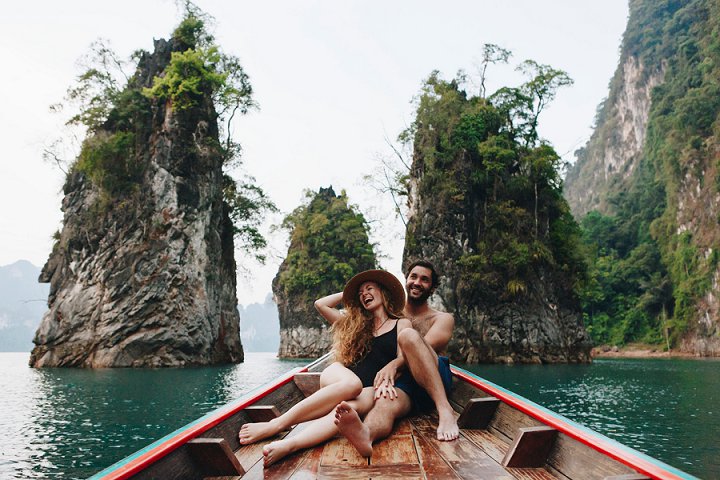
An independent honeymoon lets couples choose where they stay and how quickly they move between destinations. Across Southeast Asia, railways connect historic cities, public ferries reach inhabited islands, and locally run accommodation is available near coastal villages and forest trails. Planning the journey directly also makes it easier to extend a favourite stop or change the route when weather affects outdoor plans.
This style of travel requires checking visa rules, seasonal ferry schedules and the final transport connection to each destination. Couples might cross a border by train, travel between islands by public ferry or arrange a local guide for a remote trail. The five places below let newlyweds have the freedom to plan independently, with activities rooted in the culture and landscape of each destination.
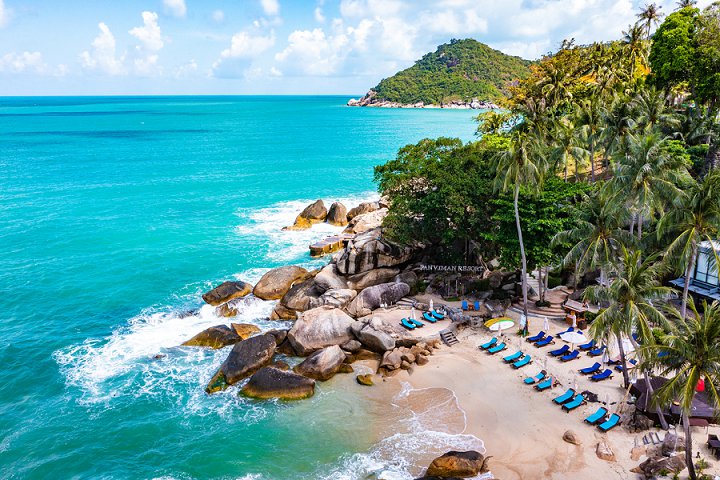
Koh Phangan’s southern coast is known for the monthly Full Moon Party at Haad Rin, while its northern shoreline contains granite headlands and sheltered bays. Haad Khuat, also known as Bottle Beach, is most easily reached by longtail boat from Chaloklum, although a rough road and forest trail also lead to the cove. Local boat captains provide water-taxi journeys around the headland, but departures depend on demand, weather and sea conditions. Couples should agree on return arrangements before leaving Chaloklum.
Using a single platform for all Southeast Asia transport booking can make it easier for couples to coordinate mainland trains, ferries from Surat Thani or Koh Samui and onward songthaew transport from Thong Sala Pier. Current ferry times should still be checked before travel because connections and arrival points can change.
At Bottle Beach, wooden bungalows and family-run kitchens sit close to the sand. A steep trail leads to the Bottle Beach Viewpoint, with the walk taking around 30 to 45 minutes depending on the starting point and ground conditions. Farther east, Than Sadet Waterfall contains a series of freshwater pools. King Rama V visited the site several times and left royal inscriptions on rocks near the cascades, adding a historical stop to this part of the island.
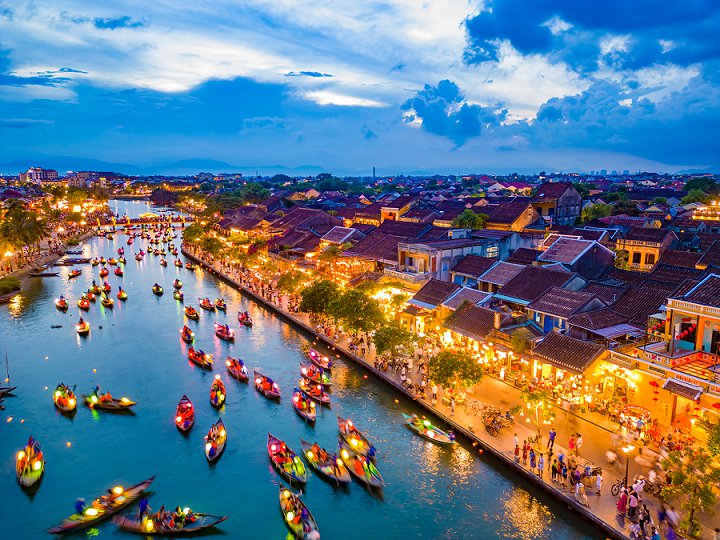
Hoi An sits beside the Thu Bon River in central Vietnam, with its history as an international trading port reflected in timber-framed merchant houses and Chinese assembly halls. The UNESCO-listed Ancient Town restricts motorised traffic during scheduled periods, making streets like Tran Phu and Nguyen Thai Hoc easier to explore on foot. Current pedestrian-zone hours should be checked locally because they can change.
After dark, handmade silk lanterns illuminate the streets and waterfront. Couples can hire a small wooden boat from the riverfront for a short journey along the Thu Bon River. Paper flower lanterns are also sold for release onto the water, but couples who want to avoid creating waste can enjoy the illuminated boats and riverfront displays without releasing one.
Food stalls and family-run restaurants serve cao lầu, a local noodle dish made with pork, greens and crisp rice crackers. Its preparation is traditionally associated with water from Hoi An’s old wells, including Ba Le Well. Bicycles provide access to Tra Que Vegetable Village northeast of town or the nipa palm waterways around Cam Thanh to the southeast. An Bang Beach lies roughly four kilometres from the Ancient Town and gives couples another cycling destination, with local fishing boats returning along the coast later in the day.
Situated off the northwest coast of Lombok, Gili Trawangan has no conventional cars or motorbikes. Visitors travel around the island on foot, by bicycle or in horse-drawn cidomo carriages. The perimeter track covers approximately seven kilometres, although sand and uneven coral surfaces make some sections harder to cycle. Couples who prefer not to use animal-drawn transport can choose accommodation within walking distance of the harbour and travel with light luggage.
The eastern shoreline contains the main harbour, diving schools and beachfront cafés, while the western side has quieter stretches of sand facing towards Bali. Cycling around the northern coast leads to Turtle Point, where green and hawksbill turtles may be seen feeding in the surrounding seagrass and reef habitat. Sightings aren’t guaranteed, and snorkellers should avoid touching the turtles, coral or seabed. Water depth, currents and visibility should be checked locally before entering from the beach.
Sunset Point on the western coast provides an open view towards the horizon and Mount Agung in Bali when conditions are clear. Several beachfront venues have installed wooden swings in the shallows, although couples can find less crowded viewing spots by continuing farther along the perimeter track. Bicycle lights are useful for the return journey because parts of the route have limited lighting after dark.

Kampot stands beside the Preaek Tuek Chhou River in southern Cambodia, within reach of Bokor National Park. Its colonial-era shopfronts and riverfront streets place visitors within easy reach of the surrounding countryside. The region produces Kampot pepper, which has protected geographical indication status and is grown in designated areas of Kampot and Kep provinces.
Visits to working pepper farms explain how local soil, coastal weather and established cultivation methods influence the crop. Guides lead couples between pepper vines trained vertically on wooden poles and describe how the same plant produces green, black, red and white peppercorns through different harvesting and processing methods. A tuk-tuk provides an alternative to riding a scooter between farms. The journey can also include Phnom Chhnork, where a seventh-century brick temple dedicated to Shiva stands inside a limestone cave.
In the late afternoon, wooden boats depart from Kampot’s riverfront for journeys upstream. Some evening trips involve searching for fireflies among vegetation along the riverbanks, although sightings depend on the season, weather and surrounding light. Couples should confirm the route and return time before departure, particularly when arranging onward transport after dark.

Luang Prabang occupies a peninsula at the confluence of the Mekong and Nam Khan rivers in northern Laos. Its historic centre contains French colonial-era villas and Buddhist monasteries like Wat Xieng Thong. Beyond the old town, couples can reach Kuang Si Falls by tuk-tuk or scooter, with the journey covering approximately 30 kilometres southwest of Luang Prabang.
Kuang Si Falls flows over tiered limestone formations into a series of turquoise pools. Swimming is permitted in designated areas, while other pools may be closed for environmental or cultural reasons. Wooden walkways cross the lower cascades, and a steep forest trail climbs towards the top of the main 60-metre waterfall. The upper route includes steep steps and uneven forest sections, so current access information should be checked before attempting the climb.
Near the park entrance, the Tat Kuang Si Bear Rescue Centre cares for Asiatic black bears rescued from the illegal wildlife trade. After returning to town, couples can climb more than 300 steps to the summit of Mount Phousi for views across the Mekong and surrounding mountains. Sunset draws large crowds, so arriving earlier gives visitors more time to find a viewing place without rushing the climb.

An independently planned honeymoon across Southeast Asia gives couples the freedom to choose how long to stay and how much to plan each day. Reaching Koh Phangan and Gili Trawangan involves arranging ferries and local boats, while Hoi An’s Ancient Town is easy to explore on bicycle or on foot. Kampot brings visits to working pepper farms and evening river trips, while Kuang Si Falls lies about 30 kilometres from Luang Prabang’s historic centre.
These destinations still require careful coordination. Ferry schedules, border requirements, local transfers and seasonal weather should be checked before departure, particularly when several islands or countries appear in the same itinerary. Leaving time between connections also makes delays easier to manage. With the essential arrangements in place, newlyweds can spend less time solving transport problems and more time sharing meals, trails and evenings beside the water.

This site uses Akismet to reduce spam. Learn how your comment data is processed.


Comments